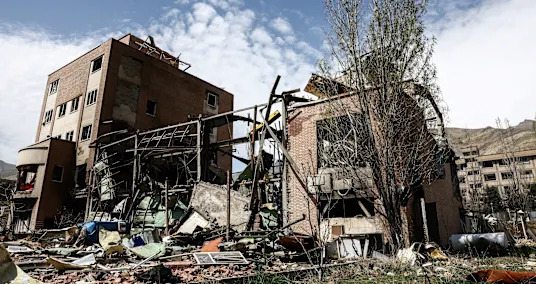
In Tehran, a city of nine million people, schools are closed, businesses are shuttered or struggling, and locals are living without a functioning air-raid warning system or public shelters. In many areas, the first sign of an incoming strike is the explosion itself.
There have been twice as many US and Israeli attacks on Iran compared to the number of Iranian retaliatory strikes since the war began — and the numbers killed in Iran have been orders of magnitude greater than in the neighboring Gulf states. A nationwide internet blackout, now entering its second month, has left civilians unable to access information about safety, shelter, and food and has meant some are unable to work. But while millions have fled Iran’s cities, many more are staying where they are. Some residents are hoping the US and Israeli bombs will cause the regime to collapse; others are left wondering if they are at risk if their neighbors are targeted.
For the many Iranians with ties to Dubai, there are other pressures, with Iranian nationals now barred from entering or transiting through the UAE. Residency permits, even for those with long-term Golden Visas, are reportedly being revoked without notice.

LATEST POSTS
- 1
 Top Breakfast Food: What's Your Morning Enjoyment?
 - 24 Jeep Models: Dominating Execution and Flexibility for Each Experience
- 3RFK Jr. succeeds in changing hepatitis B recommendation | The Excerpt
- 4The Green Transformation: 5 Feasible Living Practices
- 5A top Marine shares his secrets to keeping fit at 50


- Instructions to Distinguish the Wellbeing Dangers Related with 5G Pinnacles
- EU chief urges Iran to free imprisoned protesters, lift internet ban
- The Golden Globes gift bag has nearly $1 million worth of swag for some winners and presenters. What's in it?
- Family-Accommodating Snow Sports Experiences
- British Columbia's Secret Lakeside Town With Hot Springs Is 'An Oasis Of Arts, Culture And Relaxation'
- Pick Your Number one sort of blossom
- Japan deploys the military to counter a surge in bear attacks
- EU top diplomat Kallas arrives in Kiev to commemorate Bucha massacre
- How did Hugh Jackman nail his latest role? Sequins, tighty-whities and embracing 'zero embarrassment.'