Two IDF officers and a civilian face indictments for smuggling contraband into Gaza using humanitarian aid trucks, part of a growing wartime smuggling investigation.
Military and civilian prosecutors on Tuesday filed prosecutors’ declarations ahead of indictments against two IDF officers and a civilian suspected of exploiting humanitarian aid trucks to smuggle prohibited goods into the Gaza Strip for profit, in the latest in a growing wartime cluster of Gaza-smuggling cases. According to the joint statement by the Shin Bet (Israel Security Agency), Israel Police, and the IDF, the suspects are accused of trying to move contraband into Gaza in exchange for hundreds of thousands of shekels.
Investigators allege that Nasser Abu Mustafa, a resident of Rahat, used his ties to an IDF reservist officer to examine the possibility of carrying out smuggling operations into the enclave. After the two allegedly formulated the plan, the reservist is suspected of bringing in a second officer.
IDF officers exploited their military positions
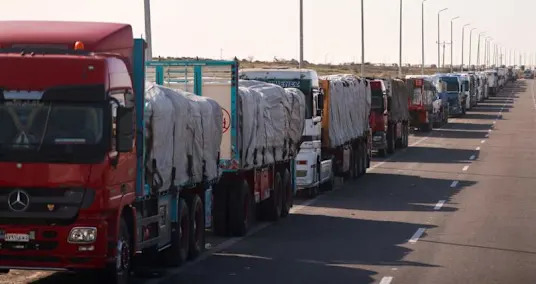
Authorities say the officers exploited their military positions and access to information about aid convoys, while Abu Mustafa hid the prohibited goods inside trucks that had broken down on the way to Gaza after arriving under the guise of repairing them. The contraband allegedly included hundreds of thousands of cigarettes and several cellular devices. Prosecutors said indictments are expected to be filed soon.
The case adds to an expanding body of wartime prosecutions centered on the movement of goods into Gaza. In February, prosecutors filed indictments against 12 Israelis accused of helping smuggle millions of shekels’ worth of goods into the Strip during the war, including cigarettes, mobile phones, batteries, vehicle parts, communication cables and electrical equipment, in a scheme prosecutors said strengthened Hamas economically.
In March, prosecutors filed another indictment against four defendants accused of repeatedly attempting to move prohibited goods into Gaza outside the authorized inspection and transfer mechanism, including cigarettes, cellphones, solar panels, batteries, generators, and computers.

This affair, based on the material now public, does not appear to be part of the recent Iran-linked espionage investigations.
Still, it emerges against a broader wartime backdrop in which Israeli security agencies have been dealing at once with two separate patterns: internal smuggling cases involving alleged profiteering through Gaza supply routes, and a distinct wave of Iran-linked espionage probes involving Israelis suspected of carrying out tasks for Iranian actors. Just this week, limited publication was allowed in a separate security case involving suspects alleged to have provided services to Iranian elements, including suspected work connected to explosive material.
LATEST POSTS
- 1
 ‘This year nearly broke me as a scientist’ – US researchers reflect on how 2025’s science cuts have changed their lives
 - 2Which European palace do you fantasy about visiting? Vote!
- 3Astronomers now say the moon is eating up molecules from Earth’s atmosphere
- 4Explainer-What Novo Nordisk's weight-loss pill approval means for company, patients
- 55 Great Youngster Care Administrations To Watch in 2024


- Land Rover Just Unveiled Its Dakar Rally Defender
- A definitive Cruiser Standoff: Decision in favor of Your #1 Ride
- Tragedy in Minnesota, vaccine news, Snoop's game call: Week in review
- 13 must-see moon events in 2026: Eclipses, supermoons, conjunctions and more
- Figure out how to Perceive Warnings while Looking for an Auto Collision Lawyer
- Hand Skin Is Additionally Significant - What You Ought to Realize About Hand Cream
- EU Commission slams Israel's death penalty law for Palestinians
- 'A perfect storm': Airlines cut flights and increase airfares as jet fuel price spikes
- Pick Your Favored sort of cooking